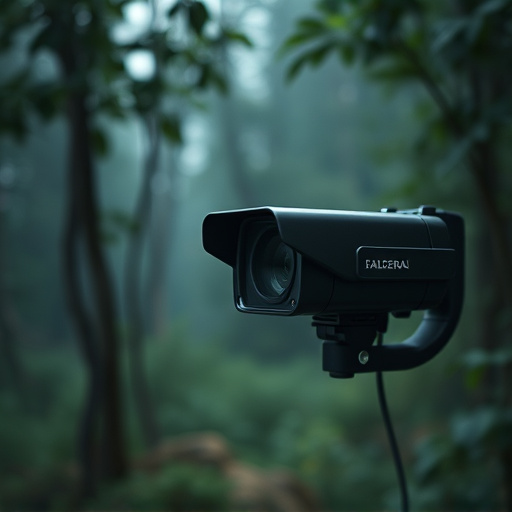
The Hidden Security Camera Installation Guide delves into sophisticated technology for covert recording devices, exploring wireless transmission, memory card storage, and real-time monitoring. It highlights installation spots like ceiling tiles and mirrors, emphasizing privacy protection and legal compliance in residential, commercial, and business settings. Advanced techniques include EMI detection and AI software to identify subtle anomalies, ensuring maximum secrecy. Understanding local laws regarding privacy is crucial for legal installations.
Uncover the art of identifying covert recording devices with our comprehensive guide. From understanding the subtlest signs of hidden cameras to mastering advanced detection techniques, this resource equips you with the knowledge to navigate the complex world of security. We explore common installation spots, delve into legal considerations, and highlight privacy rights, ensuring you’re both informed and protected in today’s digital landscape. Discover practical tips for a thorough Hidden Security Camera Installation Guide.
- Understanding Covert Recording Devices
- Identifying Potential Hidden Cameras
- Locating Common Installation Spots
- Advanced Techniques for Detection
- Legal Considerations and Privacy Rights
Understanding Covert Recording Devices
Covert recording devices, often referred to as hidden security cameras, are sophisticated pieces of technology designed to capture footage discreetly. These devices are meticulously engineered to blend into their surroundings, making them nearly impossible for the average person to detect. From miniature cameras that can fit inside a pen to motion-activated sensors disguised as rocks or plants, there’s a wide array of options available on the market today. Understanding how these devices work and where they can be installed is crucial for anyone looking to enhance their security measures.
A hidden security camera installation guide typically covers various methods, including wireless transmission, memory card storage, and real-time monitoring. These devices are often triggered by motion sensors or sound, capturing evidence without drawing attention. Whether it’s for home, office, or business security, the ability to identify these covert recording spots is essential for maintaining privacy and ensuring legal compliance.
Identifying Potential Hidden Cameras
Identifying potential hidden cameras is a crucial step in any security assessment, especially for those looking to protect their privacy and safety. In today’s digital era, understanding where and how covert recording devices might be installed is essential. A comprehensive Hidden Security Camera Installation Guide can help folks navigate this labyrinthine landscape. By knowing common hiding spots—such as ceiling tiles, fake fire alarms, or behind mirrors—you can take proactive measures to thwart unwanted surveillance.
Regular inspections of your surroundings, both at home and in public spaces, are a good starting point. Look for any unusual modifications or objects that don’t seem to belong, such as small cameras or hidden microphones. Stay vigilant, especially in high-traffic areas like offices, common areas within apartment buildings, and retail stores. A keen eye and a bit of know-how can go a long way in protecting your privacy and ensuring you’re not being watched without your knowledge.
Locating Common Installation Spots
Many hidden security camera installations are designed to be unobtrusive, making their location less than obvious. Common spots for such cameras include areas with frequent human traffic or places where objects are frequently moved. This could be reception areas, offices, and storage rooms in businesses, or hallways, kitchens, and bedrooms in residential settings.
These locations offer several advantages: visibility, potential to capture unexpected activity, and the ability to blend in with existing environments. Remember, a successful covert recording setup relies not only on strategic placement but also on ensuring the device remains undetected for maximum effectiveness.
Advanced Techniques for Detection
In the realm of covert recording, advancements in technology have led to sophisticated detection methods. One such technique involves utilizing advanced sensors and algorithms capable of identifying subtle anomalies that might indicate the presence of hidden security cameras. These tools can analyze visual and audio data, detecting unusual patterns or signs often associated with surveillance equipment. For instance, some systems can identify tiny variations in light intensity, which may suggest a camera’s infrared sensor activity, or recognize peculiar audio signatures that could be linked to the clicking sounds of a shutter.
A Hidden Security Camera Installation Guide might include strategies such as electromagnetic interference (EMI) detection, where specialized devices disrupt and track signals emitted by hidden cameras. Additionally, artificial intelligence (AI)-powered software can learn and adapt to normal environments, becoming highly effective at spotting unusual activities or objects, like a small camera lens, within a space. These advanced techniques are instrumental in ensuring that even the most discreet surveillance efforts remain undetected.
Legal Considerations and Privacy Rights
When considering a hidden security camera installation guide, it’s crucial to understand the legal landscape surrounding covert recording. Different jurisdictions have varying laws regarding privacy rights and the use of hidden cameras. For instance, some areas require explicit consent from all parties involved, while others allow for certain exceptions, such as in public spaces or for business operations.
In many places, secretly installing a camera in someone’s private space can be illegal and may lead to serious legal consequences. It’s essential to consult local legislation and understand the potential implications before setting up any hidden security cameras. Respecting privacy rights is not just about avoiding penalties; it also ensures that individuals are not intruded upon without their knowledge, fostering a more secure and trustworthy environment for all.
This comprehensive guide has equipped readers with essential tools to identify hidden security camera installations. By understanding the various types of covert recording devices, learning potential hiding spots, and exploring advanced detection techniques, individuals can now navigate the complexities of privacy protection in today’s digital age. Remember that staying informed about these methods is a proactive step towards safeguarding personal spaces from unsolicited surveillance.