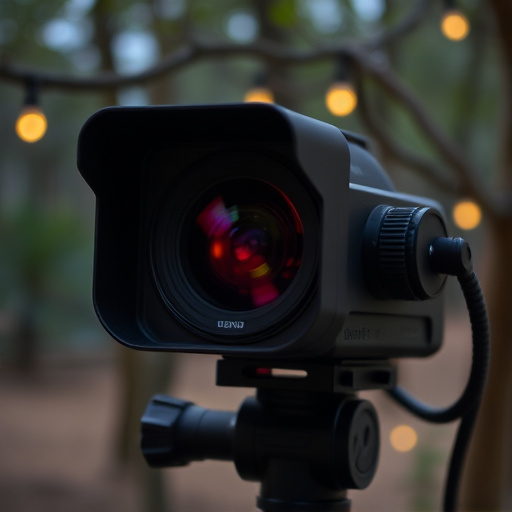
The Hidden Security Camera Installation Guide provides an overview of various camera types for diverse surveillance needs while emphasizing legal and privacy considerations. It teaches practical techniques using technology like thermal imaging and RF signal analysis to identify hidden cameras in public and private spaces. Legal adherence, especially regarding consent and high-privacy areas, is crucial for effective and ethical installations.
Uncover the art of identifying covert recording spots with this comprehensive guide. In today’s digital age, hidden security cameras are becoming increasingly sophisticated, making their detection a complex task. This guide delves into the intricacies of spotting these devices, from understanding their diverse forms to employing advanced technology. Learn crucial visual clues and legal considerations for ethical installation practices. Navigate through this resource to ensure privacy and security in your environment.
- Understanding Covert Recording Devices
- Identifying Hidden Camera Placement
- Visual Clues and Physical Inspections
- Advanced Technology for Spotting Cameras
- Legal Considerations in Installation
Understanding Covert Recording Devices
Covert recording devices, often referred to as hidden security cameras, are small, unobtrusive surveillance tools designed to capture footage without raising suspicion. These devices are a popular choice for both personal and professional security needs, offering a discrete way to monitor sensitive areas. Understanding how these devices work is crucial when considering their implementation.
Hidden Security Camera Installation Guide provides an insight into the various types of covert recording equipment available, allowing users to choose the right tool for their specific requirements. From miniature cameras disguised as everyday objects to more advanced thermal imaging devices, the options cater to diverse scenarios. By mastering the art of installation, individuals and businesses can ensure effective monitoring while maintaining privacy and compliance with legal guidelines regarding surveillance.
Identifying Hidden Camera Placement
Identifying hidden security camera installations is a critical aspect of ensuring privacy and safety, especially in public spaces or private residences. These covert recording devices are designed to operate discreetly, making them challenging to detect with the naked eye. However, with the right tools and techniques, it’s possible to uncover these hidden cameras.
One common method involves using specialized equipment like thermal imaging cameras, which can reveal unusual heat signatures indicative of electronic components. Visual inspection with high-resolution cameras and magnifying lenses is also effective, as are physical searches for devices or their mounting hardware. Additionally, software designed to detect digital signal strengths from hidden cameras has emerged as a valuable tool in this process. By employing these techniques, individuals and professionals can navigate through spaces, homes, or offices with a higher likelihood of identifying covert security camera installations.
Visual Clues and Physical Inspections
Visual clues and physical inspections play a crucial role in identifying potential covert recording spots, especially for those looking to uncover hidden security camera installations. Train your eyes to recognize subtle signs that might indicate the presence of surveillance equipment. For instance, look for unusual markings or scratches on walls, doors, or furniture, as these could be access points for hidden cameras. Small, discreet openings or holes might suggest a camera’s location, especially when paired with irregular or uneven surfaces.
During physical inspections, pay close attention to the surroundings and any oddities that don’t seem to fit with the environment. Check for out-of-place objects like small boxes, devices, or cables that could house recording equipment. Keep an eye out for unusual attachments or brackets on walls or ceilings—these might be mounts for hidden cameras. A thorough inspection should also include examining potential blind spots and less visible areas, as these are common hiding places for covert recorders.
Advanced Technology for Spotting Cameras
In the realm of covert recording, technology plays a pivotal role in identifying and spotting hidden security cameras. Modern detection methods have evolved significantly, offering advanced tools for professionals tasked with uncovering clandestine surveillance equipment. One such innovation is thermal imaging, which can reveal heat signatures emitted by electronic devices, making it an effective way to locate hidden cameras, especially those strategically placed to avoid detection.
Additionally, specialized software and hardware solutions utilize radio frequency (RF) signal analysis to detect wireless cameras. These tools can intercept and analyze signals, pinpointing the exact location of the camera’s transmitter. This method is particularly useful in situations where physical inspection is difficult or impossible, such as in complex architectural spaces or industrial settings. A Hidden Security Camera Installation Guide would be remiss without acknowledging these advanced technologies, which continue to shape the future of covert surveillance detection.
Legal Considerations in Installation
When planning a hidden security camera installation, understanding legal considerations is paramount. The placement and operation of surveillance equipment are subject to regional laws and regulations designed to protect privacy rights. Before proceeding with any installation, it’s crucial to research and comply with local, state, or federal guidelines, depending on your location.
One key aspect involves obtaining consent. In many jurisdictions, you must gain the permission of individuals who will be under surveillance, especially in residential or commercial settings. This often requires transparency and clear communication about the presence of cameras. Additionally, there are restrictions on where cameras can be placed—for example, avoiding areas where privacy expectations are higher, such as bathrooms or bedrooms, without explicit authorization. Adhering to these legal parameters ensures a robust and compliant hidden security camera installation guide for effective surveillance while respecting individual privacy.
The journey through this hidden security camera installation guide has equipped readers with a comprehensive toolkit to identify and prevent covert recording. By understanding the diverse methods of hidden camera placement, from visual clues to advanced technology, individuals can now conduct thorough inspections and ensure their privacy. While legal considerations are paramount, this guide serves as a practical reference for anyone seeking to safeguard their spaces effectively. Armed with knowledge, it’s possible to navigate the digital landscape with enhanced awareness and security.